

Upgrade existing underwater lighting systems with retrofit solutions designed for superyachts and large leisure vessels.
Whether replacing older HID, metal halide, Xenon, halogen, or early LED systems, retrofitting allows you to improve performance, efficiency, and reliability without unnecessary hull modification or extended downtime.

What Is Underwater Light Retrofitting?
Underwater light retrofitting upgrades existing yacht lighting systems to modern LED technology without replacing the full installation.
In many cases, existing fittings can be reused, helping avoid haul-out, structural changes, and certification complications.
Why Retrofit Underwater Yacht Lights?
Retrofitting is often the most practical upgrade route when existing fittings are still in good condition.
It is commonly used to:
- Upgrade older lighting technologies to LED
- Improve brightness and consistency
- Reduce maintenance requirements
- Introduce colour-change lighting (RGBW)
- Avoid full system replacement
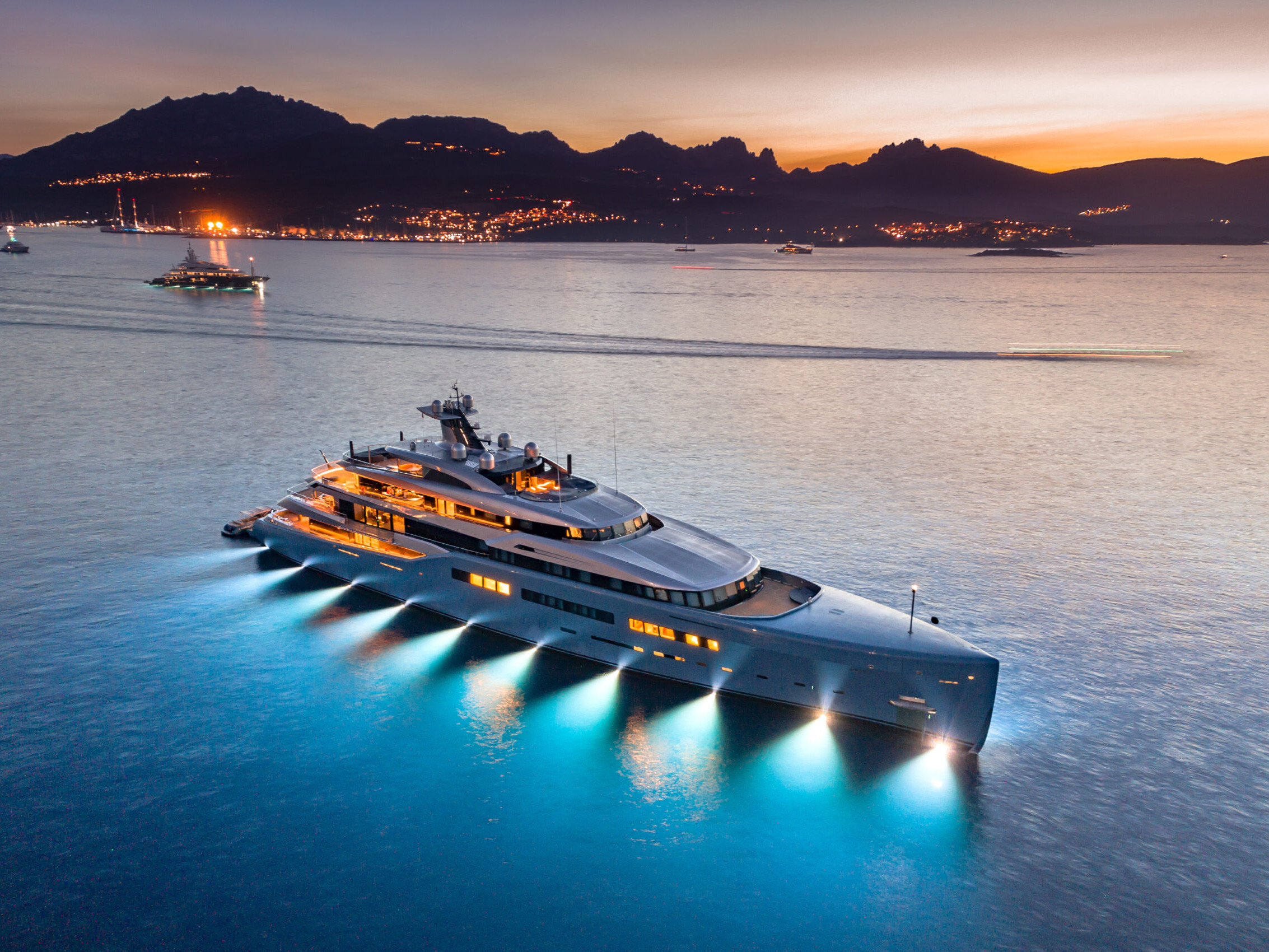
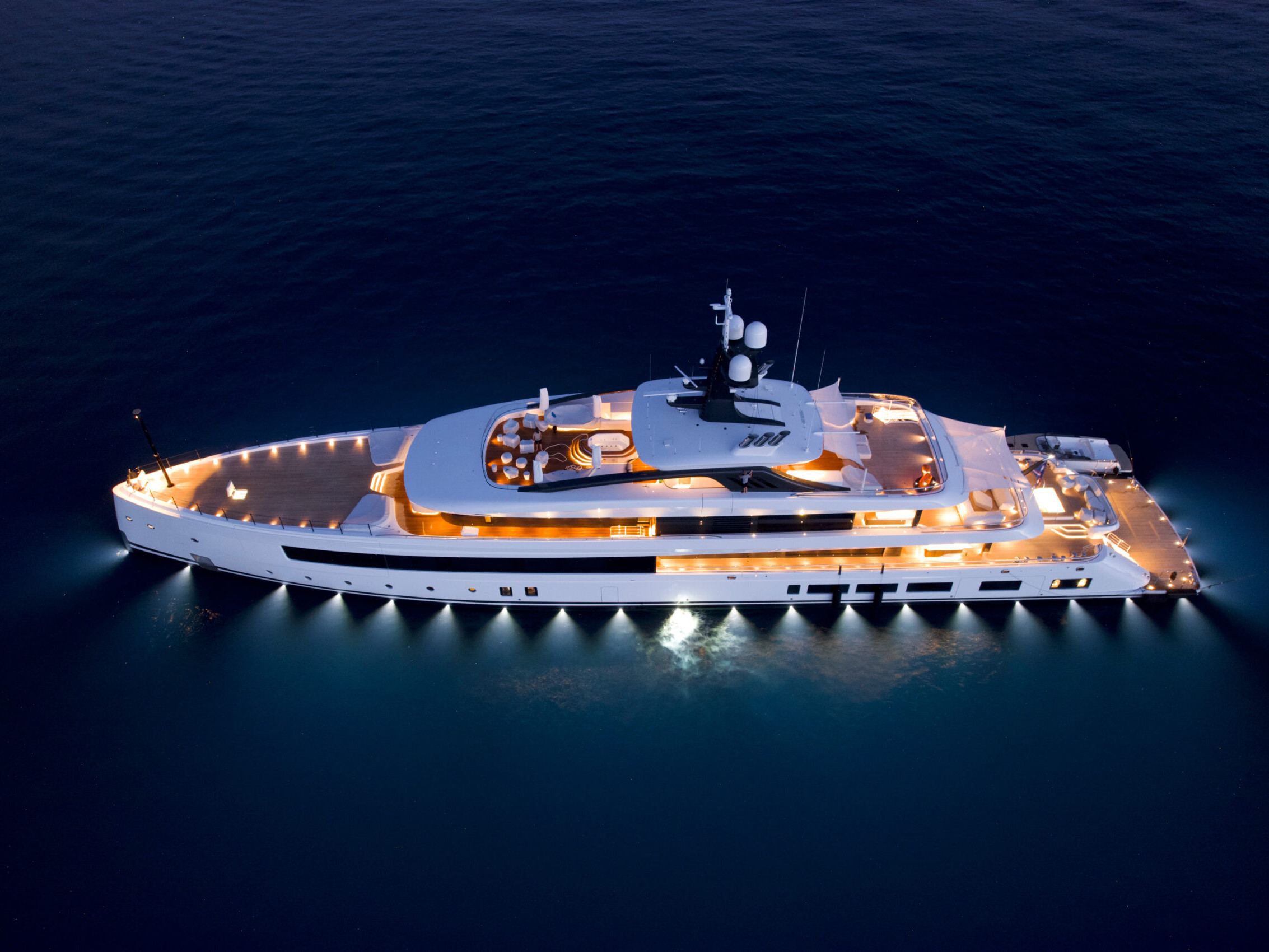
Upgrading to LED
Modern LED systems provide significant advantages over older technologies:
- Lower power consumption
- Longer service life
- Reduced heat output
- Improved reliability
- Instant start-up
- Enhanced colour options
This makes LED retrofitting a preferred option for many superyacht and refit projects.
Minimising Downtime and Disruption
Where the existing installation allows, retrofit solutions can be designed to work with current fittings.
This can help avoid:
- Haul-out requirements
- Hull modification
- Extended yard time
This is particularly valuable for vessels with tight operational schedules.
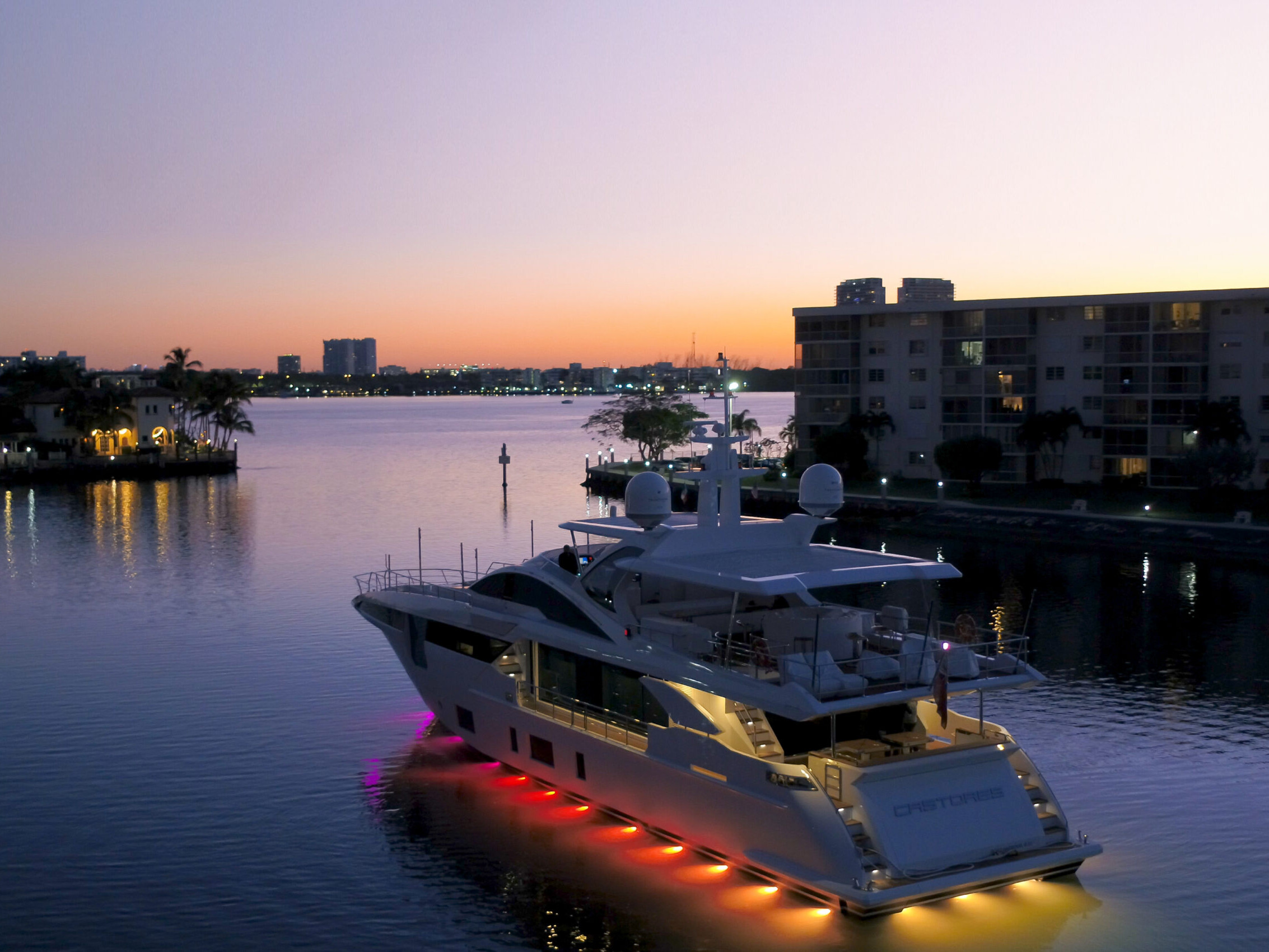
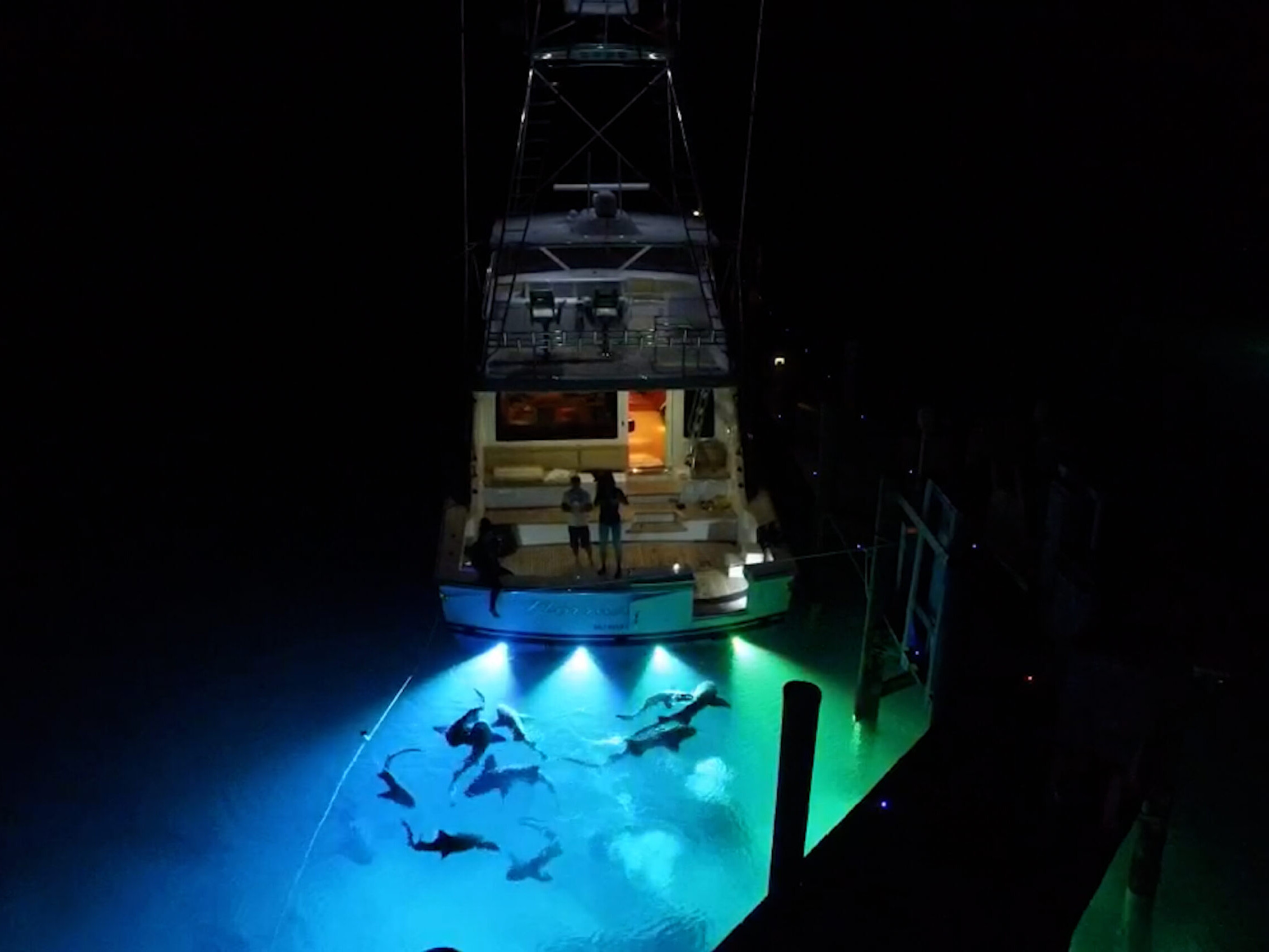
Retrofitting Existing and Competitor Systems
Retrofit solutions may be available for both existing UWL systems and competitor installations.
This can include systems from manufacturers such as Lumishore, Aqua Signal, OceanLED, DeepSea, and Seavision.
Each project is assessed individually to determine compatibility and the most effective upgrade approach.
Retrofit During Refit Periods
A scheduled refit or yard period is often the ideal time to upgrade underwater lighting.
Retrofitting can be coordinated with other works, helping reduce disruption while improving long-term system performance.
When to Retrofit vs Replace
Retrofitting is typically preferred when:
- Existing fittings are structurally sound
- The lighting layout remains suitable
- Downtime needs to be minimised
Full replacement may be required where fittings are no longer serviceable or a new lighting configuration is needed.
Benefits of Retrofitting
- Improved performance and brightness
- Reduced maintenance
- Increased reliability
- Lower power consumption
- Modern LED and colour options
- Reduced downtime
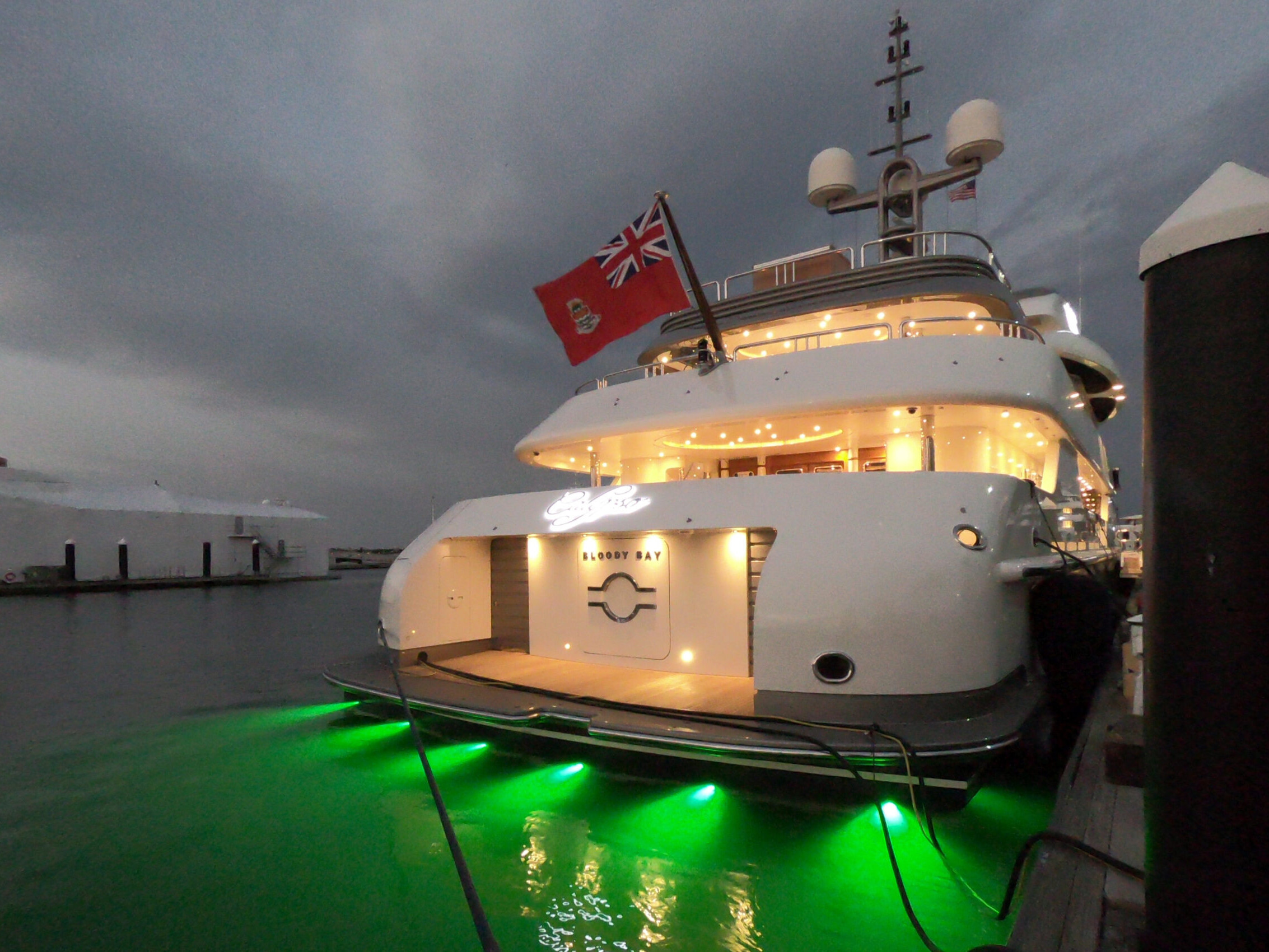
Effortless Yacht Lighting Upgrades
Modernise your yacht’s lighting with our seamless retrofit solutions. Whether upgrading outdated fixtures or transitioning to advanced LED technology, we make it easy to enhance your lighting without hauling your vessel, modifying certifications, or altering the hull.
Frequently asked questions
Can underwater yacht lights be retrofitted?
Yes, many systems can be upgraded, including older HID, halogen, and early LED installations. The exact solution depends on the existing fitting, hull installation, and access.
Can underwater lights be upgraded to LED?
Yes, LED retrofit upgrades are a common and effective way to improve performance, efficiency, and reliability in underwater lighting systems.
Can retrofit work be carried out without haul-out?
In many cases, yes. Where the existing system is accessible and suitable, retrofit work may be completed without hauling the vessel.
Will retrofitting require hull modification?
Not always. Many retrofit solutions are designed to work with existing fittings, helping avoid unnecessary hull modification.
Can competitor systems be retrofitted?
Yes, depending on the installation, many third-party systems can be upgraded. Compatibility should be assessed on a case-by-case basis.